
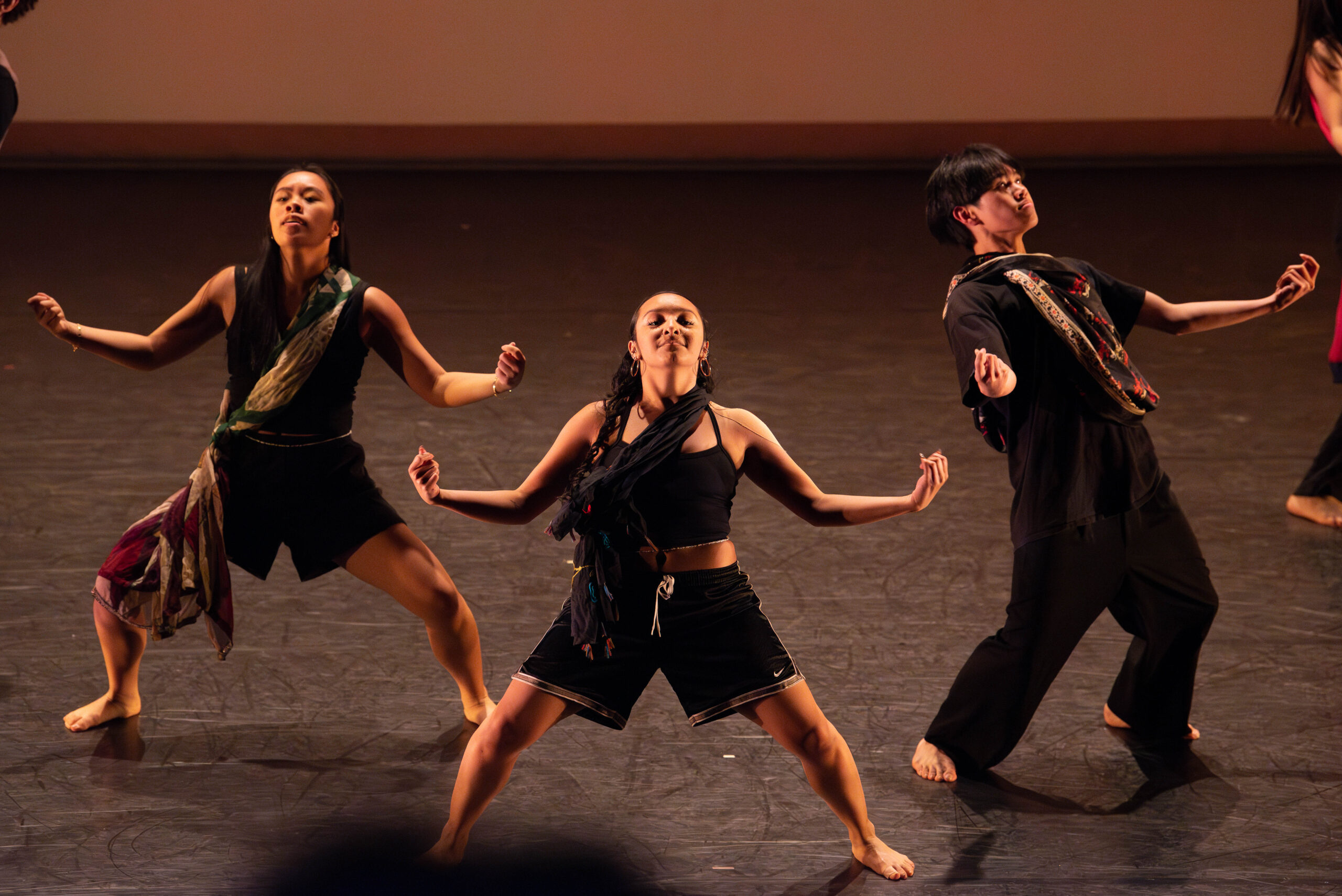
UCLA’s Department of World Arts and Cultures/Dance presented their annual showcase Jan. 30-31 with the theme “In Another Life.” Through cultural memory, folktale and myth, each dance explored universal experiences such as transformation and identity by bringing together music and movement produced by their very own undergraduate students. These performers did more than simply enact steps; their routine effectively challenges mortality, love and evolution. Before choosing a seat, a handout is given to each viewer that comes with a QR code which explains the meaning and intent of every dance, allowing the audience to re-envision forgotten stories and reconceive imagination.
This student-run production embraces an independence that adds to its impact and charm. Displaying creative risks and diverse voices an unrestrained and authentic artistic exploration is revealed, making every subtle or bold piece emphasize what dance can mean.
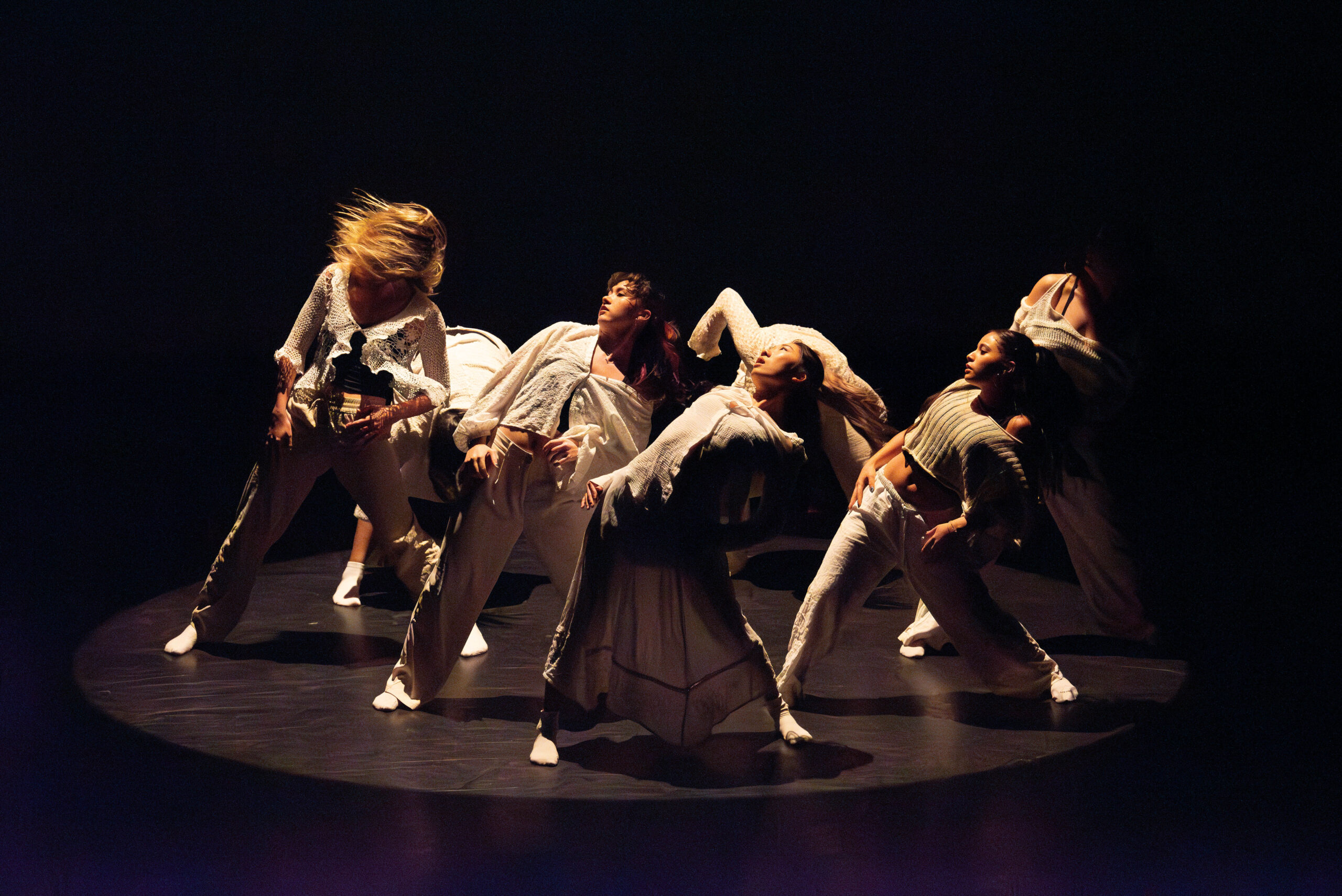
Movement became a metaphor, emphasizing the showcase was about translation using contemporary expression and giving viewers a layered experience. One of the dances that reinforced this theme the most was “My Moon,” choreographed by Maddie Skowronek, a fourth-year dance and communications student, and inspired by a Korean folktale emphasizing sacrifice and devotion. Each dancer held a flashlight and utilized repetition with similar movement patterns. Dances where everyone has different choreography are difficult to engage with, but “My Moon” executed this perfectly with a perfect mix of solos and altering moves. This performance effortlessly related to the purpose of the showcase, reminding us that there are rhythms we return to everyday.
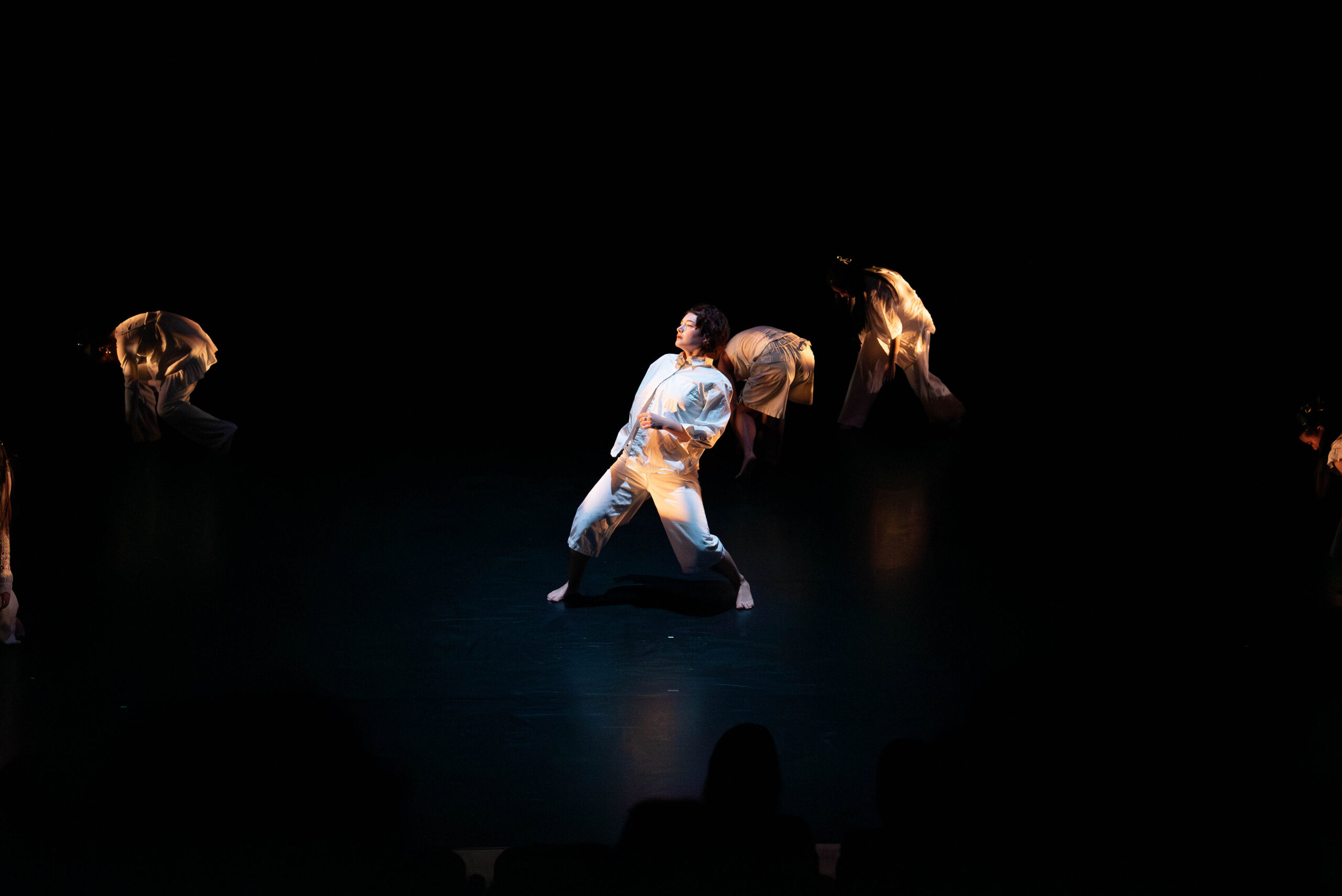
Another clear reflection of “In Another Life” was choreographed by Ellington Persley, a third-year dance student with a minor in film, called “Try a Little Tenderness.” A piece exploring the universal and emotional shift of transforming into adulthood, the choreography suggested that growing up isn’t about leaving everything behind, it’s about carrying earlier versions of ourselves forward while negotiating uncertainty, change and responsibility. Not only was this the best song out of every piece shown, this dance caught my eye and I was able to pay attention to each dancer on stage. Additionally, the dance “After the Storm” choreographed by Mahek Jindani, a fourth-year dance student, and Ryley Bissera, a second-year dance student, deserves a shoutout for their work. Everything about this performance effortlessly aligned with the purpose of WACsmash, a piece that reflects how culture and identity are reformed through universal cycles of change, loss and rebirth. It was more than movement or technique. The dancers translated narrative frameworks into real physical and visual art inspired by mythologies that have significantly influenced cultural systems.
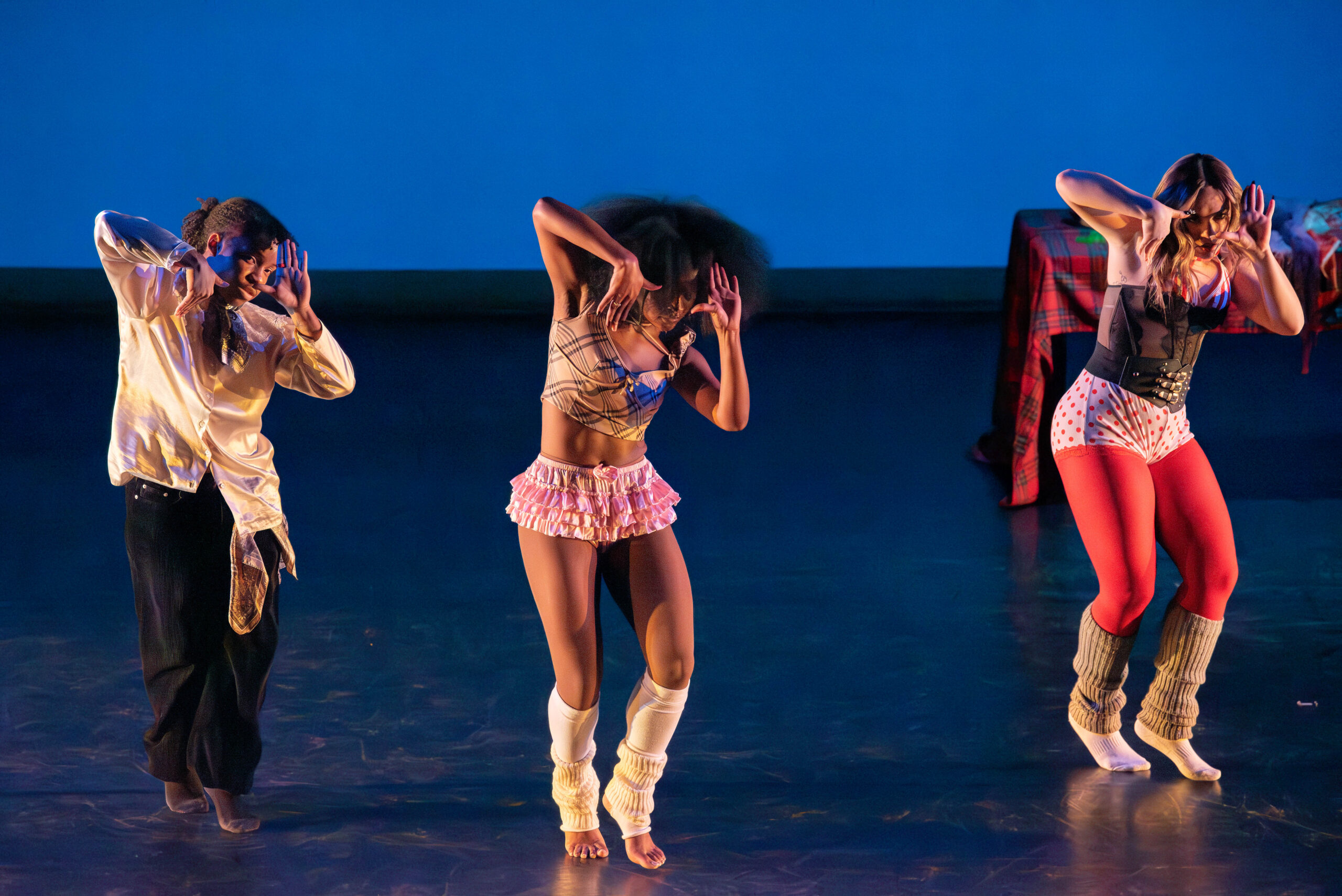
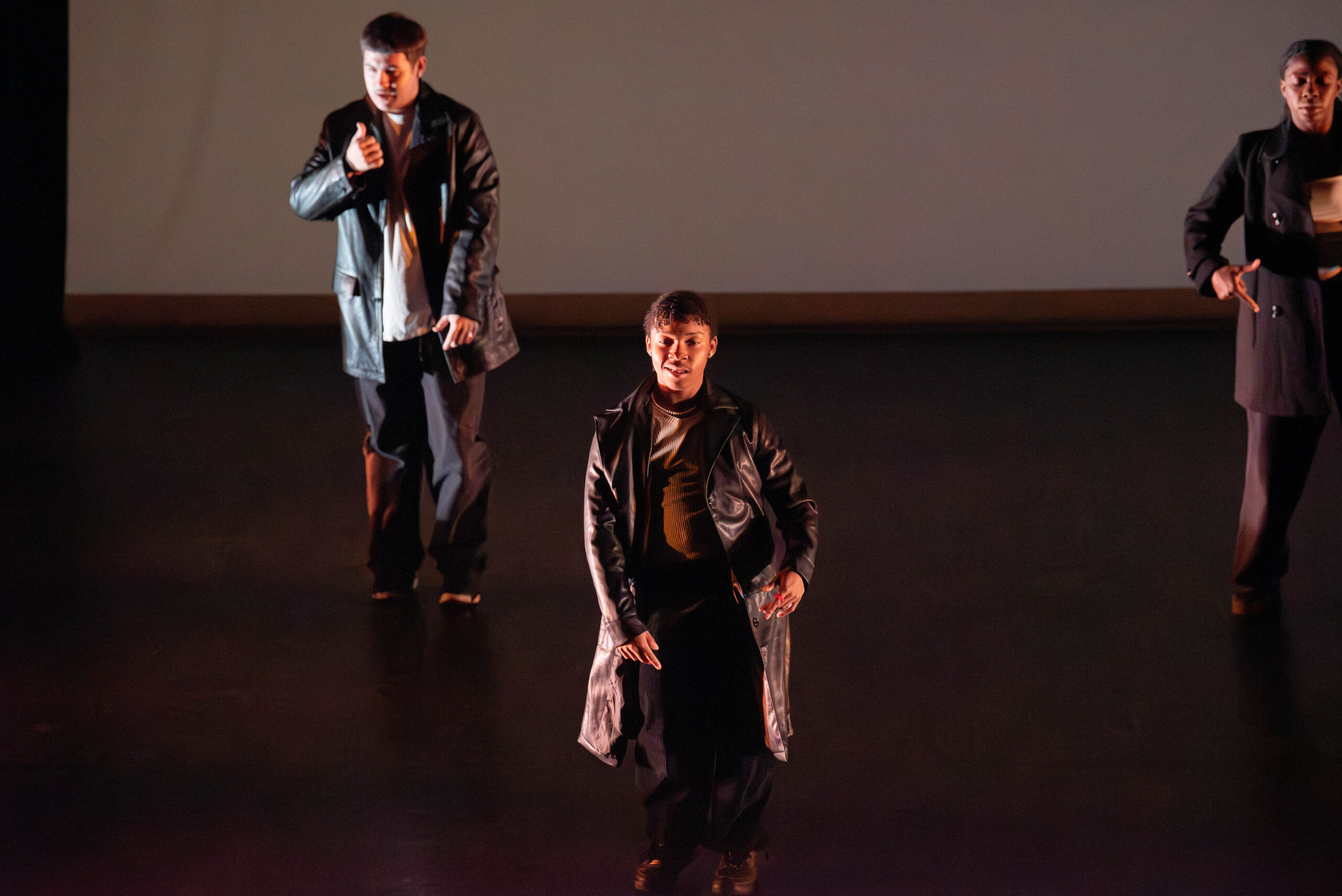
The most unique dance of the night was titled “Santa Baby 20026,” choreographed by Dakotah Faunteroy, a third-year dance student with a minor in theater. It was evidently unlike any other dance of the show, starting off strong with colorful flashing visuals shown in the very beginning immediately catching the audience’s attention, choosing a loud upbeat song and featuring only four dancers when every other dance included a minimum of six, each wearing something alike to the rest. Similarly, audiences were genuinely impressed with Nissrine Elasraoui’s, a fifth-year dance student, and Julian Soto’s, a second-year dance student, choreography in “1973-0.” I had high expectations for this piece since it was the last dance and they could not have chosen a better routine to end the showcase with. The beginning tied to the end, exploring the idea that everyone can be in the same place but have different lives, while illustrating outstanding choreography and distinct costumes, there was no extra visuals or lighting necessary. I especially enjoyed the genuine character of the dancers and how there were several solo moments that included a kind of individuality that was missing from other dances. Last but not least, the highlight of this showcase was Lazayah Lannigan’s, a third-year dance and design media and arts student, choreography in “Cula Til Dawn.” Bringing street dance culture reflecting on the history of confrontation and resistance, produced with darker visuals with uplifting choreography this piece was empowering and engaging. This was hands down one of the most phenomenally choreographed performances at WACsmash.
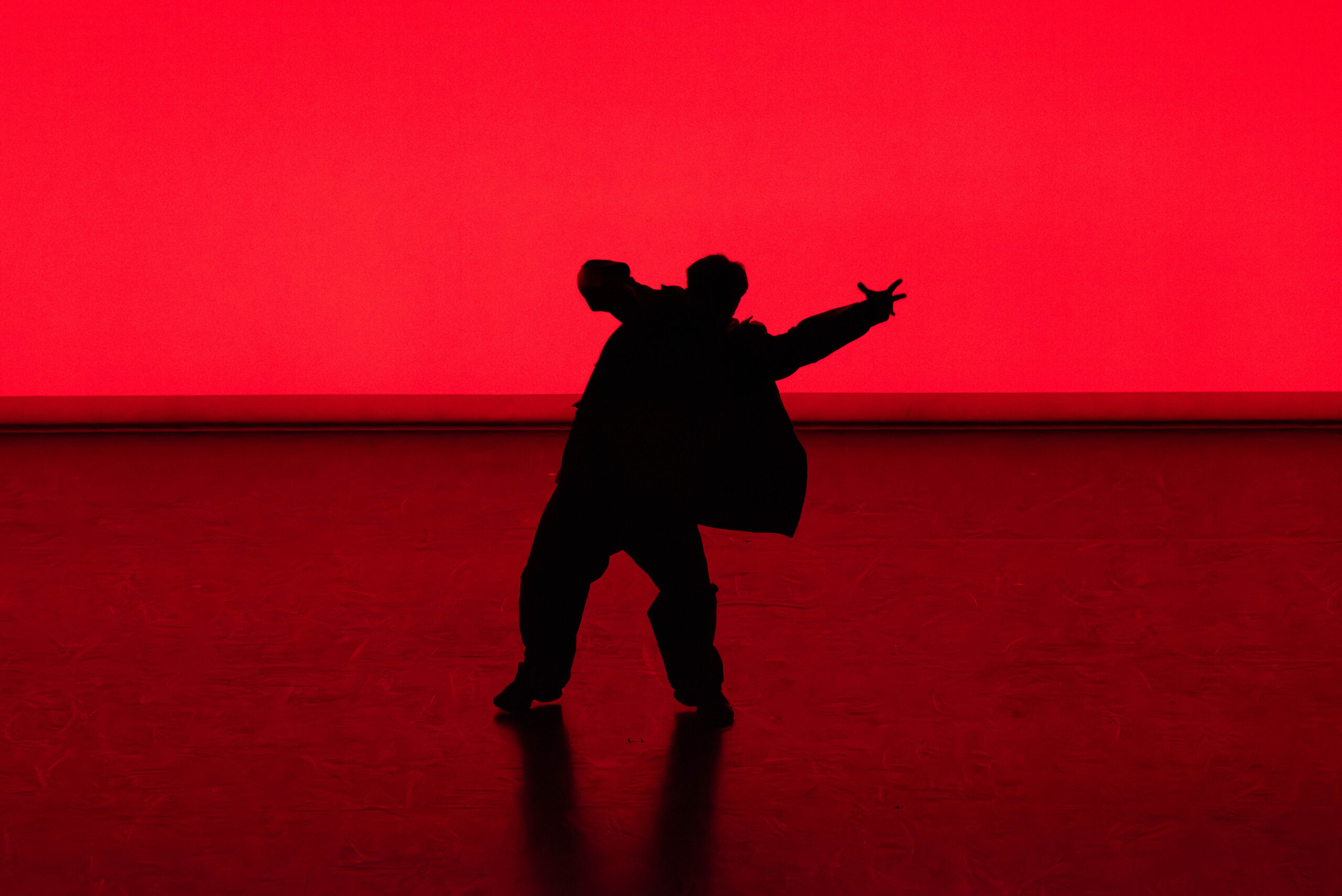
The stage presence of dancer Jae Hall, a third year dance and cognitive science student, immediately caught viewers attention, astounding them with their stage presence and energy to elevate the routines by embodying the intention of the movements and demanded attention with effortless and natural quality. Hill was only in two dances out of the 15, emphasizing how a choreographer’s vision can only come to life with the right dancers.
“In Another Life” was different from any typical student showcase because each dance centered around storytelling, giving this overall performance actual meaning. Stories that are previously told using language were reinvented with physical motion. Rather than presenting a digestible narrative and neat choreography the audience is invited into their storytelling drawing on themes of mortality that’s rooted in identity and cultural memory. Visually, the production was compelling and ambitious. The multimedia elements of lighting and space enhanced each performance, I connected with the dances and everything felt not only personal but universal.
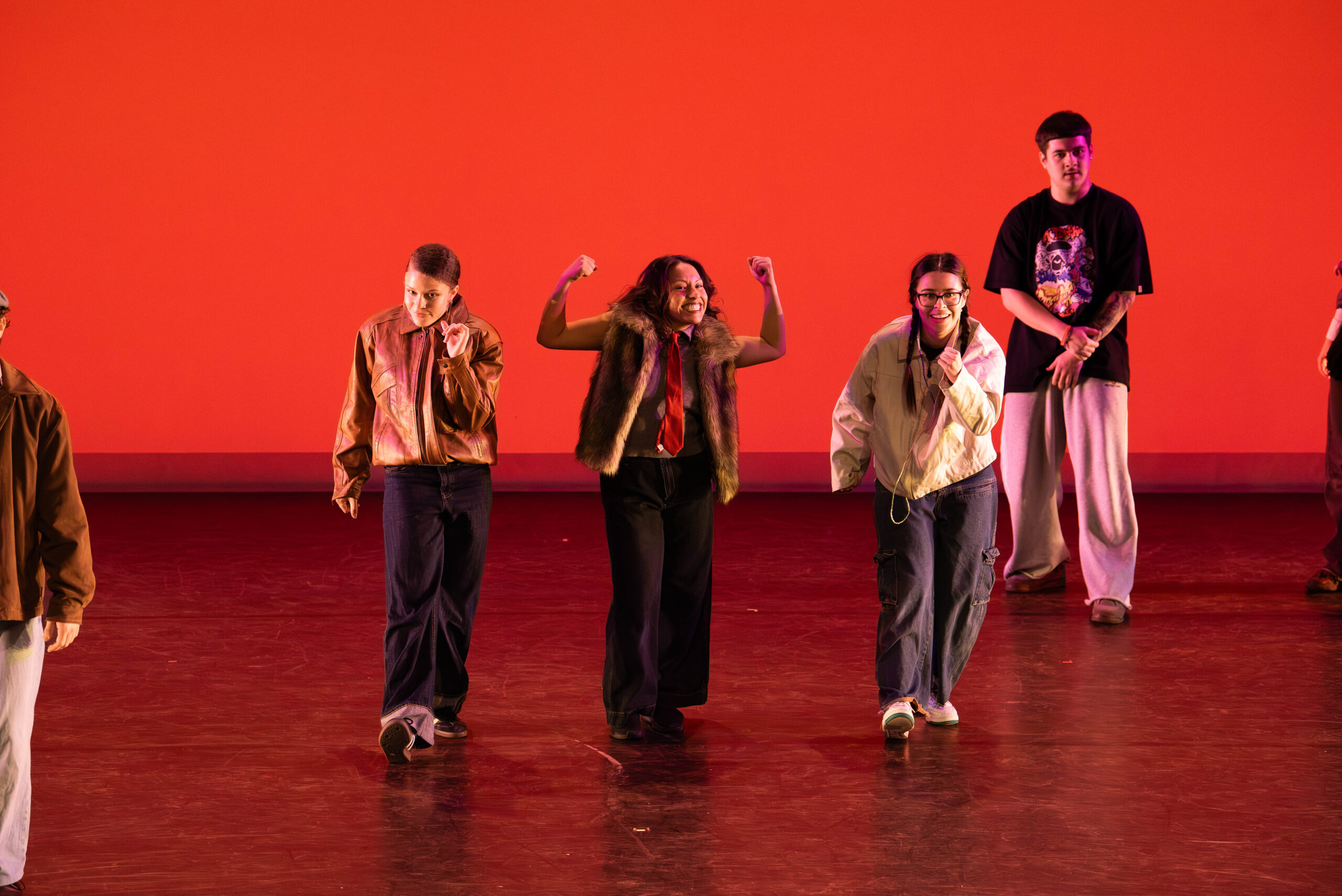
WACsmash’s 2026 showcase used innovation, tradition and contemporary expression to develop and reimagine how stories can move us. With ambitious and heartfelt work audiences are invited to watch a performance that’s both fantastical and familiar, reminding attendees that dance is an art that is capable of resurrecting and transforming forgotten stories.
